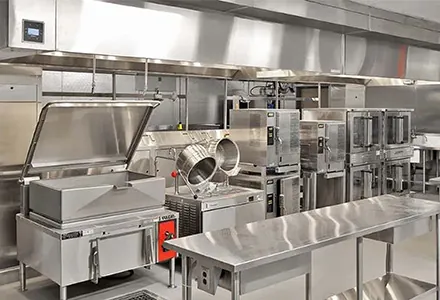
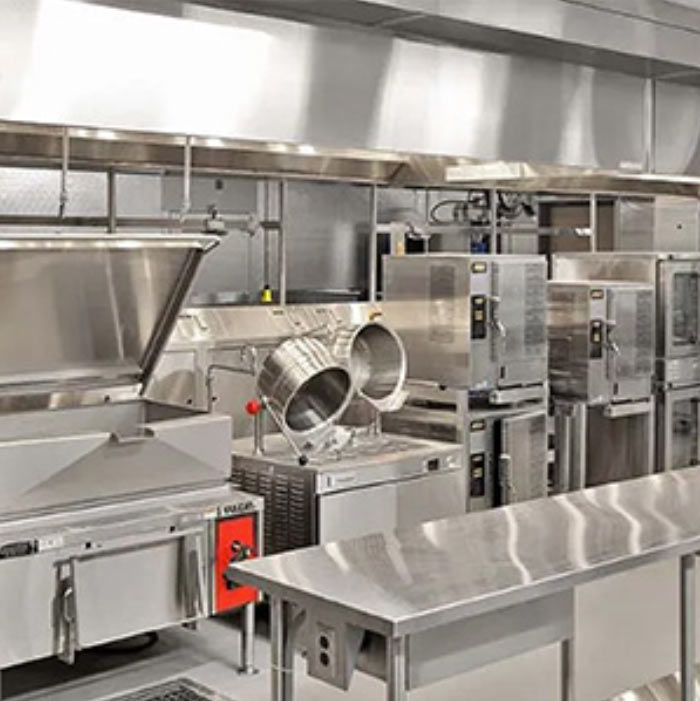
A well-designed kitchen is the foundation of efficient food preparation and service. Whether it is a hotel, restaurant, café, bakery, canteen, hospital, catering business, or commercial food facility, the right kitchen equipment helps improve productivity, maintain hygiene, reduce manual effort, and ensure consistent food quality.
Modern commercial kitchens require more than basic cooking appliances. They need carefully selected equipment for food preparation, cooking, refrigeration, storage, cleaning, serving, and waste management. Choosing the right combination of equipment can help businesses create a smooth workflow while making better use of available kitchen space.
HariOm Kitchen Equipments offers a wide range of commercial kitchen solutions for different food-service applications, including commercial kitchens, hotels, restaurants, bakeries, canteens, cafés, and other hospitality establishments. The company provides products ranging from cooking equipment and refrigeration systems to bakery equipment, display counters, sinks, and other kitchen solutions.
What Is Kitchen Equipment?
Kitchen Equipments refers to the machines, appliances, tools, and fixtures used for preparing, cooking, storing, cleaning, and serving food. In commercial kitchens, equipment is generally designed for frequent use, higher production volumes, durability, hygiene, and operational efficiency.
Unlike domestic kitchen appliances, commercial kitchen equipment is built to handle demanding working conditions. Depending on the type of establishment, a kitchen may require cooking ranges, ovens, refrigerators, freezers, food preparation machines, work tables, sinks, exhaust systems, fryers, boilers, display counters, and dishwashing equipment.
The right equipment depends on the menu, kitchen size, production capacity, number of customers, available utilities, and workflow requirements.
Major Types of Kitchen Equipment
Commercial kitchens use different categories of equipment to perform specific tasks. Some of the most important types include:
1. Commercial Cooking Equipment
Cooking equipment forms the core of most commercial kitchens. It is used for boiling, frying, grilling, roasting, sautéing, and other cooking processes.
Common equipment includes:
- Commercial gas ranges
- Cooking ranges
- Commercial ovens
- Griddles
- Deep fryers
- Tandoors
- Boilers
- Pizza ovens
- Hot plates
- Tilting cooking equipment
Commercial cooking equipment is available in different configurations and capacities to meet the requirements of restaurants, hotels, catering kitchens, and institutional kitchens.
2. Food Preparation Equipment
Food preparation can involve significant manual work when performed at commercial volumes. Food preparation equipment helps reduce preparation time and maintain consistency.
Examples include:
- Vegetable cutting machines
- Food processors
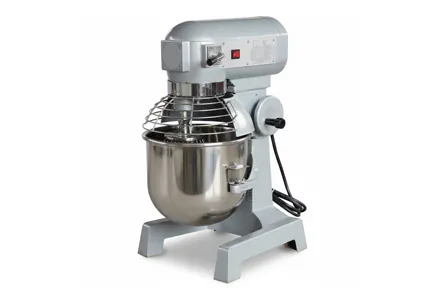
- Mixers
- Dough kneaders
- Blenders
- Slicers
- Choppers
- Potato peelers
- Dough preparation machines
These machines can be particularly useful in restaurants, hotels, canteens, bakeries, and catering facilities where large quantities of ingredients must be prepared every day.
3. Refrigeration & Freezing Equipment
Proper refrigeration is essential for maintaining food quality and storing perishable ingredients. Commercial refrigeration equipment provides controlled-temperature storage for vegetables, dairy products, meat, beverages, prepared food, and other ingredients.
Common refrigeration solutions include:
- Commercial refrigerators
- Deep freezers
- Display refrigerators
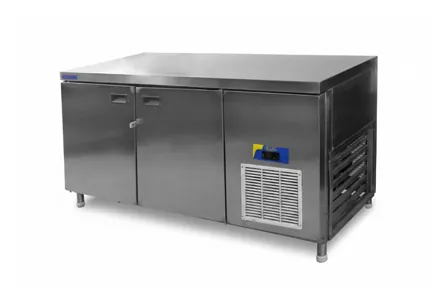
- Under-counter refrigerators
- Reach-in refrigerators
- Cold storage systems
- Freezer units
The appropriate refrigeration solution depends on storage volume, product type, available space, and required temperature conditions.
4. Bakery Equipment
Bakeries require specialized equipment for mixing, kneading, proofing, baking, cooling, slicing, and finishing baked products.
Some common bakery equipment includes:
- Bakery ovens
- Deck ovens
- Convection ovens
- Rack ovens
- Spiral mixers
- Planetary mixers
- Dough sheeters
- Dough dividers
- Proofing cabinets
- Bread slicers
- Flour sifters
Modern bakery equipment can help improve production capacity and achieve more consistent results. Commercial bakery solutions are also useful for hotels, cafés, restaurants, and food-production facilities that prepare baked products in-house.
5. Commercial Sinks and Work Tables
Stainless steel work tables and sinks are important components of a hygienic commercial kitchen. Work tables provide dedicated areas for ingredient preparation, while sinks are used for washing utensils, vegetables, cookware, and other items.
Features such as smooth surfaces, durable construction, appropriate dimensions, and easy cleaning can help maintain better kitchen hygiene.
6. Display Counters
Display counters are commonly used in restaurants, bakeries, cafés, sweet shops, and food outlets to present food products attractively while making them easily accessible to customers.
Depending on the application, display counters can be designed for:
- Bakery products
- Sweets
- Snacks
- Desserts
- Prepared foods
- Beverages
An appropriately designed display counter can combine product visibility with practical storage and serving requirements.
7. Bar Equipment
Hotels, restaurants, pubs, lounges, and cafés may require dedicated bar equipment for beverage preparation, storage, cooling, and serving.
Typical bar equipment includes:
- Bar counters
- Ice machines and bins
- Commercial blenders
- Back-bar refrigeration
- Glass washers and sinks
- Garnish trays
- Storage racks
- Beverage preparation tools
Properly planned bar equipment can improve workflow and help staff serve beverages more efficiently.
8. Dishwashing and Cleaning Equipment
Hygiene is a critical part of food-service operations. Commercial dishwashing equipment can help clean large quantities of plates, utensils, cookware, and other kitchen items.
Depending on the kitchen size, businesses may use:
- Commercial dishwashers
- Rack-type dishwashers
- Pre-rinse systems
- Dish landing tables
- Stainless steel sinks
- Waste bins
- Cleaning stations
Efficient cleaning systems can reduce manual washing requirements and help maintain a consistent sanitation routine.
Benefits of Using Quality Commercial Kitchen Equipment
Investing in suitable kitchen equipment can provide several operational advantages.
Improved Productivity
Efficient equipment helps kitchen staff complete preparation and cooking tasks faster. Automated or semi-automated machines can reduce repetitive manual work and improve production capacity.
Consistent Food Preparation
Equipment designed for commercial use can help maintain consistency in cooking, mixing, cutting, baking, and portion preparation. This is particularly important for restaurants and food businesses where customers expect consistent quality.
Better Kitchen Hygiene
Stainless steel equipment with smooth and easy-to-clean surfaces can make routine cleaning easier. Properly planned workstations can also reduce unnecessary movement and help separate different kitchen activities.
Better Space Utilization
Commercial kitchens often have limited floor space. Selecting equipment according to the kitchen layout can help maximize available space while maintaining practical movement between preparation, cooking, storage, and washing areas.
Reduced Manual Effort
Food processors, mixers, dough kneaders, vegetable cutters, and other machines can reduce repetitive manual tasks and allow staff to focus on cooking and service.
Long-Term Operational Value
Commercial-grade equipment is designed for regular and demanding use. Selecting equipment according to actual operational requirements can help businesses achieve better long-term value and reduce avoidable replacement costs.
How to Choose the Right Kitchen Equipment
Selecting kitchen equipment should be based on the specific requirements of the business rather than simply choosing the largest or most advanced machine.
Consider the following factors:
1. Kitchen Size
Measure the available space before purchasing equipment. Equipment should fit comfortably without blocking movement or creating an unsafe working environment.
2. Menu Requirements
The menu determines the type of cooking and preparation equipment required. A bakery, pizza restaurant, Indian restaurant, café, and hotel kitchen will all have different equipment requirements.
3. Production Capacity
Consider the number of meals, dishes, bakery products, or beverages that need to be prepared during peak operating hours.
4. Material and Construction
Commercial kitchen equipment made from suitable stainless steel and food-grade materials can provide durability, hygiene, and easier maintenance.
5. Energy Consumption
Energy-efficient equipment can help reduce operating expenses over the equipment's working life. Consider electricity or gas requirements before selecting major appliances.
6. Maintenance Requirements
Choose equipment that is easy to clean, inspect, service, and maintain. Regular maintenance can help prevent unexpected downtime.
7. Kitchen Workflow
Equipment placement should support a logical workflow, such as receiving and storage → preparation → cooking → serving → washing. A well-planned layout can reduce unnecessary movement and improve staff efficiency.
Applications of Kitchen Equipment
Commercial kitchen equipment is used across a wide range of food-service and hospitality establishments, including:
- Hotels and resorts
- Restaurants
- Cafés
- Bakeries
- Canteens
- Hospitals
- Catering companies
- Industrial cafeterias
- Food courts
- Banquet halls
- Pubs and bars
- Institutional kitchens
HariOm Kitchen Equipments provides equipment and kitchen-related solutions for applications including hotels, restaurants, cafés, canteens, hospitals, industries, and catering environments.
Why Kitchen Planning Is Important
Buying individual machines without considering the complete kitchen layout can result in inefficient use of space. Kitchen planning should consider equipment placement, staff movement, ventilation, storage, electrical and gas connections, washing areas, and food preparation zones.
A professional kitchen layout can help create a smoother workflow and make better use of the available area. HariOm also provides commercial kitchen consultancy and kitchen layout-related services for different commercial applications.
Why Choose HariOm Kitchen Equipments?
HariOm Kitchen Equipments, based in Pune, has been serving the kitchen equipment industry since 2004. The company offers a broad range of products covering commercial kitchen equipment, bakery equipment, commercial refrigeration, display counters, commercial gas ranges, tables and sinks, pizza ovens, boilers and fryers, and mithai-making machines.
Its solutions are suitable for different commercial and hospitality applications, with options for kitchen equipment supply as well as kitchen planning and consultancy.
Conclusion
The right kitchen equipment can make a significant difference to the productivity, hygiene, safety, and overall efficiency of a commercial food-service operation. From cooking ranges and ovens to refrigeration systems, food preparation machines, bakery equipment, sinks, work tables, and cleaning solutions, every piece of equipment has an important role in the kitchen workflow.
Before purchasing equipment, businesses should evaluate their menu, production volume, kitchen space, energy requirements, hygiene needs, and maintenance expectations. A properly planned commercial kitchen equipped with suitable machines can support faster operations, consistent food preparation, and better utilization of resources.
For businesses looking for complete commercial kitchen solutions in Pune and across India, HariOm Kitchen Equipments offers a broad range of kitchen equipment and consultancy solutions designed for hotels, restaurants, cafés, bakeries, canteens, catering businesses, and other commercial food-service establishments.